
Introduction
A herniated disc is a common spine problem. Many people experience back or neck pain because of this condition. In fact, the term “herniated disc” means that one of the soft cushions between your spine bones has slipped out of place. This can press on nerves and cause pain. Understanding herniated disc symptoms, causes, and treatment options can help you make better choices for your health. Let’s explore what you need to know about this issue.
What is a Herniated Disc?
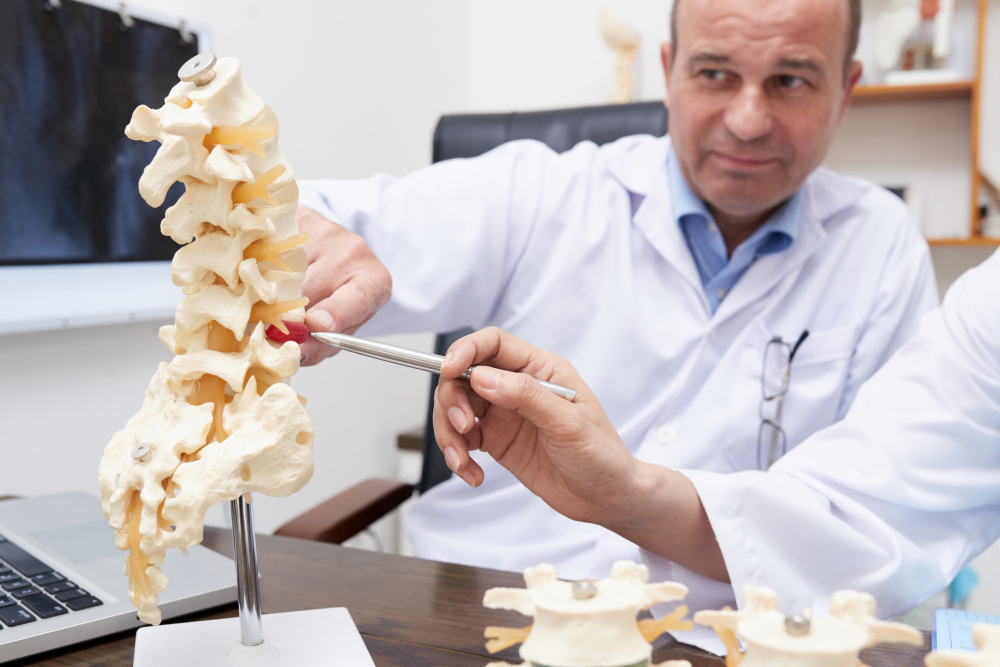
Your spine is made up of bones called vertebrae. Between these bones are small, soft discs. These discs act like shock absorbers. Sometimes, the outer layer of a disc tears. When this happens, the soft inside part can bulge out. This is called a herniated disc. Because of this bulge, nerves nearby may get pressed or irritated. As a result, you might feel pain, numbness, or weakness. Most herniated discs happen in the lower back, but they can also occur in the neck.
Common Symptoms
Not everyone with a herniated disc has symptoms. However, many people notice some signs. For example, you may feel:
Sometimes, symptoms can be mild. But in other cases, they may be severe and affect daily life. If you notice these signs, it is important to seek help.
Causes and Risk Factors
There are several reasons why a herniated disc may occur. Often, discs wear down as we age. This is called disc degeneration. In addition, sudden injuries or heavy lifting can cause a disc to herniate. Some common risk factors include:
Because of these risks, it is important to take care of your spine every day.
Diagnosis Methods
If you have herniated disc symptoms, your doctor will start with a physical exam. They may check your strength, reflexes, and feeling in your arms or legs. In many cases, doctors use imaging tests to confirm the diagnosis. These may include:
Sometimes, nerve tests help find out which nerves are affected. Early diagnosis can lead to better herniated disc treatment.
Treatment Options
Most people with a herniated disc get better with simple treatments. For example, your orthopedic spine care team may suggest:
In some cases, doctors may recommend injections to reduce swelling. Surgery is only needed if other treatments do not help or if you have severe nerve problems. Your orthopedic surgeon will discuss the best plan for you.
Prevention Tips and Lifestyle Guidance
While you cannot always prevent a herniated disc, you can lower your risk. Try these tips:
Because small changes add up, these habits can protect your spine over time.
When to See an Orthopedic Surgeon
Most herniated discs improve with simple care. However, you should see an orthopedic specialist if:
These signs may mean you need urgent orthopedic spine care. Early treatment can prevent lasting problems.
If you think you have a herniated disc, do not wait. Consult an orthopedic specialist at Dheeran Medicare Hospital for personalized advice on herniated disc care.